
 EN
 AR
 NL
 FI
 FR
 DE
 IT
 JA
 KO
 NO
 PL
 PT
 RO
 RU
 ES
 SV
 ID
 VI
 ET
 HU
 MS
 TH
 LA

Private label blazers and pants offer fashion brands a unique opportunity to create their own signature styles while leveraging the expertise of manufacturers. For B2B buyers, such as purchasing managers and product managers, understanding how to select quality private label options is essential. This guide will address key concerns, including material selection, supplier reliability, and common installation issues, helping buyers make informed decisions in their sourcing endeavors.
How to Choose Quality Private Label Blazers and Pants for Wholesale?
When selecting private label blazers and pants for wholesale, buyers should focus on several critical factors:
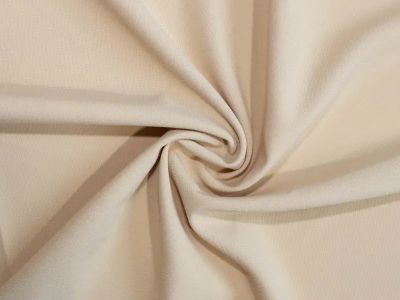
Material Quality: The fabric used in the garments plays a significant role in comfort, durability, and appearance. Common materials for blazers include polyester blends for structure and cotton for breathability. Understanding the benefits and limitations of each fabric can guide buyers to make better selections.
Fit and Sizing: Different markets may require different fits. It’s essential to understand the target demographic and their sizing preferences. Brands should also consider the use of size charts and sampling to ensure consistent fit across different sizes.
Manufacturing Capabilities: Collaborating with a manufacturer that has a robust production capacity is crucial. It’s important to blazer cloth material evaluate their ability to handle bulk orders and customization requests, which can include color variations and design specifics.
Quality Control Processes: A well-defined quality control system ensures that every batch of garments meets the established standards. Buyers should inquire about the manufacturer’s quality assurance measures, such as inspections during production and before shipment.
Lead Times: Understanding the lead times for production and delivery can help brands plan their inventory and marketing strategies effectively. Buyers should ask about both standard and expedited options.
Where to Source Reliable Suppliers for Private Label Fashion Products?
Sourcing reliable suppliers for private label fashion products involves thorough research and evaluation. Here are some effective strategies:
Industry Trade Shows: Attending trade shows dedicated to the fashion industry offers a unique opportunity to meet potential suppliers face-to-face. Buyers can assess fabric quality and craftsmanship directly and establish personal relationships.
Online Marketplaces and Directories: Websites like Alibaba, Maker’s Row, and ThomasNet can connect buyers with manufacturers. Look for suppliers with positive reviews, verified credentials, and a robust portfolio.
Networking within the Industry: Engaging with industry peers can yield recommendations for blazer fabric for men reliable suppliers. Joining professional associations or online forums can provide insights and experiences from other fashion brands.
Requesting Samples: Before committing to a supplier, it’s advisable to request samples of their products. This allows buyers to evaluate the quality, fit, and overall appeal of the garments.
Verifying Credentials: Ensure that the supplier adheres to necessary industry standards and certifications, which can vary by region. This diligence can prevent future legal or compliance issues.
Key Factors
When considering private label blazers and pants, several key factors can influence the overall success of sourcing:
Customization Requirements: Brands often seek unique designs to differentiate themselves in the market. Discussing customization options with suppliers early in the process can streamline future orders.
Minimum Order Quantities (MOQ): Different manufacturers have varying MOQs. Understanding these requirements can help brands manage their budgets and inventory effectively.
Packaging and Shipping: Packaging can impact the product's presentation and protection during transit. Buyers should discuss packaging options, as well as shipping methods and costs, to ensure products arrive in optimal condition.
Market Trends: Keeping an eye on current fashion trends can guide product selection and design decisions. Suppliers may have insights or suggestions based on their experience with market demands.
Sustainability Practices: As sustainability becomes more important in fashion, buyers should consider suppliers that prioritize eco-friendly practices, such as using sustainable materials or ethical labor practices.
Common Installation Issues and Solutions for Blazers and Pants
While private label blazers and pants are generally straightforward to use, there are common installation issues that brands might encounter:
Sizing Inconsistencies: Variations in manufacturing can lead to sizing discrepancies. To mitigate this, brands should conduct fit testing with samples before placing large orders. This allows adjustments to be made based on actual wear and feedback.
Fabric Behavior: Some materials may behave differently under various conditions (e.g., stretching, shrinking, or fading). Brands should communicate care instructions clearly to customers to maintain product integrity.
Seam Integrity: Poor seam quality can lead to garment failure. Buyers should evaluate the stitching methods used by the supplier and ask for samples that showcase seam durability.
Zipper and Fastener Quality: Ensure that zippers and other fasteners are robust and reliable. Testing zippers for smooth operation and durability is essential, as these components often represent common failure points.
Care Instructions: Providing clear care instructions can help customers maintain their blazers and pants, thereby reducing returns and dissatisfaction. Brands should work with suppliers to ensure compatibility between fabric and care recommendations.
A Buyer’s Guide
When preparing to purchase private label blazers and pants, consider the following steps to streamline the process:
Define Product Specifications: Clearly outline the desired specifications, including materials, dimensions, colors, and quantities. This information will be crucial when requesting quotes from suppliers.
Gather Market Research: Understanding competitor offerings and market trends will help in creating a unique product line. Look into what similar brands are doing to differentiate your offerings.
Prepare a Request for Quotation (RFQ): When reaching out to suppliers, provide detailed information in your RFQ, including product specifications, expected lead times, and any customization needs. This will result in more accurate quotes.
Review Samples Thoughtfully: When evaluating samples, consider not only the aesthetics but also the tweed fabric for blazer functionality and comfort. Testing the garments under real-world conditions can provide valuable insights.
Establish Clear Communication: Maintain open lines of communication with your chosen supplier throughout the process. This can help address concerns quickly and ensure that the end product aligns with your expectations.
By following this guide, fashion brands can confidently navigate the complexities of sourcing private label blazers and pants, ultimately leading to successful product launches and satisfied customers.