
 EN
 AR
 NL
 FI
 FR
 DE
 IT
 JA
 KO
 NO
 PL
 PT
 RO
 RU
 ES
 SV
 ID
 VI
 ET
 HU
 MS
 TH
 LA

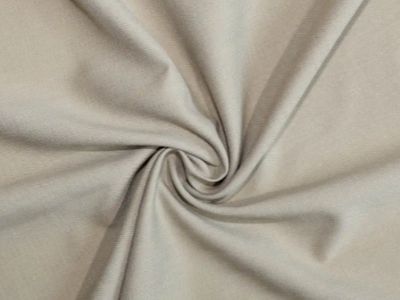
To successfully establish your brand in the competitive apparel market, selecting a reliable suit manufacturer is crucial. The process of choosing the right partner involves understanding the intricacies of suit production, materials, and supplier capabilities. This article, “How to Choose a Reliable Suit Manufacturer for Your Brand: 7 Checks Before You Order,” provides essential insights into what to consider when making this important decision. You'll learn how to evaluate manufacturers for quality and reliability, identify the right materials, key questions to ask, and ensure your suits meet your project needs.
How to Evaluate Suit Manufacturers for Quality and Reliability
When evaluating potential suit manufacturers, quality and reliability are paramount. Start by examining their production capabilities and equipment. A trusted manufacturer should possess modern machinery that can handle various lightweight suit fabric and intricate designs, ensuring consistency across batches. Additionally, assess their quality control processes. This includes checking if they have a standardized protocol for inspecting materials and finished products.
Manufacturers with certifications such as ISO can indicate adherence to international quality standards. It’s advisable to request samples of their previous work to evaluate the craftsmanship and fabric quality first-hand. Understanding their production timelines is also critical; a reliable manufacturer should be able to provide clear lead times and meet delivery deadlines without compromising quality.
Understanding Material Advantages for Superior Suit Quality
The choice of material significantly impacts the quality and durability of suits. Common materials include wool, cotton, polyester blends, and specialty fabrics like cashmere or linen, each offering distinct advantages. Wool, for example, is known for its breathability and natural elasticity, making it ideal for tailored suits. Cotton offers comfort and versatility, while polyester blends can enhance durability and wrinkle resistance.
When selecting a manufacturer, inquire about their fabric sourcing and types of materials they offer. A manufacturer specializing in high-quality fabrics, such as those provided by Wujiang Xinyang Textile, can provide a variety of options tailored to your brand's needs. Be aware of how the material's composition affects its performance; for instance, heavier fabrics might be suitable for colder climates while lightweight options are better for warmer conditions.
What to Look for in a Supplier
Choosing the right supplier goes beyond evaluating their product quality. Look for a manufacturer with a solid reputation in the industry, reflected in customer testimonials and case studies. Assess their customer service; a responsive and knowledgeable team is essential for addressing any concerns or questions during the manufacturing process.
Additionally, consider their production capacity and minimum order quantity (MOQ). A manufacturer should be able to accommodate your order size while offering flexibility for future scaling. Customization capabilities are also crucial; ensure they can tailor suits to your design specifications, including alterations in size, color, and suit fabric choices.
Top Questions to Ask Potential Suit Manufacturers Before Ordering
Before placing an order, it's vital to ask the right questions to gauge the manufacturer's suitability. Here are some essential inquiries:
What is your lead time for production and delivery? Understanding the timeline helps in planning your inventory and meeting market demands.
Can you provide samples of your fabrics and previous work? This allows you to assess quality directly.
What quality control measures do you have in place? Knowing how they monitor quality can give you confidence in their reliability.
What is your MOQ, and are there options for smaller orders? This helps you understand their flexibility as you grow.
Can you accommodate custom designs or alterations? Ensure they can meet your specific requirements.
These questions can unveil a lot about the manufacturer's capabilities and commitment to quality.
Ensuring Your Suits Meet Project Needs
To ensure your suits align with your project requirements, you must establish clear specifications upfront. This includes dimensions, style, fabric type, and any special features like lining or stitching details. Before mass production, it’s crucial to approve a sample to verify that the final product matches your expectations.
In addition to aesthetics, consider the functionality of the suits; for example, suits intended for business wear may require different custom suit fabrics characteristics than those designed for formal events. Make sure the manufacturer understands the intended use and can provide recommendations on the best materials and construction methods to meet those needs.
Moreover, stay involved throughout the production process. Regular communication with the manufacturer can help address any issues before they escalate, ensuring your final product meets the desired standards.
By following these guidelines, you can effectively navigate the process of selecting a reliable suit manufacturer for your brand, ensuring that you deliver high-quality products that resonate with your target market.