
 EN
 AR
 NL
 FI
 FR
 DE
 IT
 JA
 KO
 NO
 PL
 PT
 RO
 RU
 ES
 SV
 ID
 VI
 ET
 HU
 MS
 TH
 LA

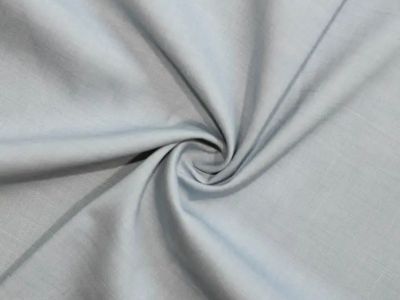
Sourcing custom suits from China presents opportunities for businesses looking to balance quality, cost, and customization. However, navigating the complexities of minimum order quantities (MOQ), lead times, and fabric options can be daunting for purchasing managers and distributors. , we will explore what to consider when sourcing custom suits from China, key fabric options available, how to assess quality from suppliers, essential buyer insights, and the various applications of custom suits across industries.
What to Consider When Sourcing Custom Suits from China
When sourcing custom suiting fabric from China, several factors need careful consideration. First, understanding the minimum order quantity (MOQ) is crucial. Many suppliers set a MOQ, which can vary significantly based on the fabric and customization options. Knowing your expected order size can help you identify suitable suppliers early in the process.
Lead time is another critical factor. In most cases, lead times can range from 20 days for customized orders to 24-hour delivery for in-stock fabrics. Clear communication with suppliers about your timelines ensures that your production schedule aligns with your needs.
It’s also essential to evaluate the supplier’s capabilities in fabric selection and customization. With over 100 in-stock fabrics, Wujiang Xinyang Textile can provide a range of options tailored to various style requirements. Understanding the available materials and their properties will help you make informed decisions about the final product.
Key Fabric Options for Custom Suit Sourcing and Their Benefits
The choice of fabric is fundamental to the quality and comfort of custom suits. Here are some key fabric options commonly used in custom suit sourcing:
Wool: Renowned for its durability and breathability, wool is a classic choice for suits. It drapes well and offers natural moisture-wicking properties, making it suitable for various climates.
Cotton: Cotton fabrics provide comfort and softness, ideal for casual suits or summer wear. They are lightweight and breathable but may not hold their shape as well as wool.
Polyester: Often blended with natural fibers, polyester enhances durability and reduces wrinkles. It is a cost-effective option that performs well in various applications.
Linen: Linen is breathable and lightweight, perfect for warm climates. Its distinct texture offers a relaxed aesthetic, although it tends to wrinkle easily.
Blends: Combining different materials can yield benefits from each. For example, a wool-polyester blend can provide the comfort of wool with the durability of polyester.
Choosing the right fabric depends on the intended use of the suit, seasonal considerations, and desired aesthetics. Each material has unique properties that can impact the suit's performance and appearance.
How to Assess Quality in Custom Suits from Chinese Suppliers
Quality assessment is vital in ensuring that the final product meets your expectations. Here are some practical steps to evaluate quality:
Request Samples: Before committing to a large order, always request samples. This allows you to assess custom suit fabrics quality, stitching, and overall craftsmanship. Pay attention to details like seams and finishes, which can indicate the level of quality.
Review Quality Control Processes: Understanding the supplier’s quality control measures is essential. Ask about their inspection procedures and whether they hold certifications that validate their quality standards.
Check Reviews and References: Research supplier reputation through reviews and testimonials from other buyers. Reaching out to previous clients can provide insights into their experiences regarding quality and reliability.
Conduct On-site Visits: If possible, visiting the manufacturing facility can provide a firsthand look at their operations. This can help you understand their production capabilities, equipment, and working conditions.
By following these steps, you can mitigate risks and ensure that your custom suits are produced to your quality standards.
What Buyers Should Know
For buyers entering the custom suit market, there are several considerations to keep in mind:
Detailed Specifications: When requesting quotes, provide detailed specifications that include fabric type, color, sizes, and any customization requirements. This clarity will help suppliers provide accurate pricing and timelines.
Pricing Factors: Understand that pricing can be influenced by fabric choice, customization complexity, and order volume. Discuss these factors upfront to avoid surprises later.
Communication: Maintain open lines of communication with suppliers throughout the sourcing process. Regular updates can help address concerns early and streamline production.
Cultural Nuances: Be aware of cultural differences in business practices. Building relationships with suppliers can enhance collaboration and lead to better outcomes.
By arming yourself with this knowledge, you can navigate the sourcing process more effectively and build successful partnerships with suppliers.
Ideal Applications for Custom Suits in Various Industries
Custom suits find applications across diverse industries, each with unique requirements:
Corporate Sector: In the corporate world, custom suits are often part of the professional dress code. Employers may provide tailored suits for employees to enhance brand image and project professionalism.
Event Management: For events such as weddings or formal gatherings, custom suits ensure a cohesive look among staff and participants. The choice of fabric and design can align with event themes.
Retail Fashion: Retailers often collaborate with manufacturers for branded suits that reflect their unique style. Customization options can cater to seasonal trends and customer preferences.
Hospitality: In the hospitality industry, staff uniforms, including custom suits, play a crucial role in guest perception. Quality custom suit lining fabric and tailored fits contribute to a polished appearance.
Entertainment: Custom suits are popular in the entertainment industry, providing actors and performers with distinctive looks for roles or public appearances.
By understanding the applications of custom suits, businesses can tailor their sourcing strategies to meet industry-specific needs effectively.
In summary, sourcing custom suits from China involves a strategic approach to fabric selection, quality assessment, and understanding buyer needs. With the right preparation and knowledge, companies can successfully navigate the complexities and establish fruitful partnerships with suppliers like Wujiang Xinyang Textile, ensuring high-quality, comfortable textile solutions.