
 EN
 AR
 NL
 FI
 FR
 DE
 IT
 JA
 KO
 NO
 PL
 PT
 RO
 RU
 ES
 SV
 ID
 VI
 ET
 HU
 MS
 TH
 LA

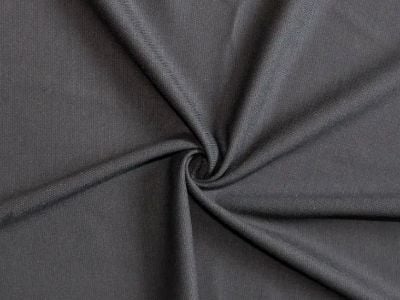
Understanding the differences between OEM and ODM for blazer and trouser production is essential for B2B buyers in the textile industry. With 13 years of experience, Wujiang Xinyang Textile specializes in high-quality women’s clothing fabrics, providing insights that can help purchasing managers, distributors, and product managers make informed decisions. This article will clarify the key distinctions between OEM (Original Equipment Manufacturer) and ODM (Original Design Manufacturer) models, guiding buyers on which approach best fits their business needs.
Key Differences for Blazer Production
When considering blazer production, the key difference between OEM and ODM lies in the level of design involvement and branding. In an OEM model, buyers provide their designs or specifications, and the manufacturer, like Wujiang Xinyang Textile, produces the blazer cloth material according to these guidelines. This allows for more control over branding and customization, as buyers dictate the fabric, style, and fit.
Conversely, an ODM model offers a more hands-off approach, where the manufacturer designs the products based on market trends or their own expertise. Buyers benefit from ready-made designs that can be customized to some extent but typically have less control over the initial design process. This can be a quicker route to market but may limit brand differentiation.
Buyers should also consider production capabilities, as OEMs often require advanced manufacturing equipment and quality control processes to meet specific design standards. Wujiang Xinyang Textile's integration of R&D, production, and trade allows for high-quality outcomes in either model but is especially beneficial for OEM clients seeking tailored solutions.
How to Choose Between OEM and ODM for Trouser Manufacturing?
Selecting between OEM and ODM for trouser manufacturing hinges on several factors, including design control, time to market, and production capacity. Buyers who have specific designs and brand requirements usually favor the OEM route. This approach ensures that the finished product aligns with their vision and meets quality expectations.
On the other hand, if speed and cost-efficiency are priorities, ODM may be the better choice. With ODM, buyers can leverage existing designs and save on development time, which is crucial for responding to market demands swiftly. Manufacturers like Wujiang Xinyang Textile can create formal trouser fabric using high-quality materials, allowing buyers to enter the market faster while still maintaining acceptable quality standards.
Additionally, consider the minimum order quantity (MOQ) and lead times. OEM processes often have higher MOQs due to the customization involved, while ODM can accommodate lower quantities, making it more accessible for smaller brands or new entrants.
OEM vs. ODM for Bulk Orders of Blazers
When it comes to bulk orders of blazers, the decision between OEM and ODM can significantly impact costs and production timelines. OEM production may require a more significant initial investment due to the bespoke nature of the products, which can lead to higher per-unit costs. However, this model can result in higher margins for brands that successfully differentiate themselves in the market.
In contrast, ODM typically offers lower pricing for bulk orders as manufacturers have established designs ready for production. This can lead to economies of scale, benefiting buyers who prioritize cost over customization. Wujiang Xinyang Textile's production capabilities ensure that both OEM and ODM orders maintain high-quality standards, which is crucial for sustaining customer satisfaction and brand loyalty.
Buyers should also evaluate the quality control processes in place for bulk orders. Ensuring consistency across large volumes is critical, and manufacturers that have robust quality management systems will help mitigate risks associated with bulk production.
Solutions for Buyers
For buyers navigating the OEM and ODM landscape, it is essential to have a clear understanding of their specific needs. Here are some practical solutions:
Assess Design Requirements: Determine whether you have specific designs or if you are open to existing collections. This will help you decide between OEM and ODM.
Evaluate Budget and MOQ: Analyze your budget constraints and desired order quantities. This will influence your choice of manufacturing model.
Check Production Capabilities: Ensure that the manufacturer has the necessary equipment and expertise to handle your order type, particularly for customized requests.
Quality Control Procedures: Inquire about the manufacturer's quality assurance processes. This is crucial for maintaining standards, especially when ordering large quantities.
Sample Approval: Always request samples before mass production. This step ensures that the color, fabric, and fit meet your expectations.
By following these solutions, buyers can make more informed choices that align with their business goals.
Which Model Suits Your Business?
Determining whether OEM or ODM is the better fit for your business depends on your specific circumstances. If your brand strategy focuses on uniqueness and you have the resources to invest in development, OEM might be the right choice. This model provides you with full control over the production process and allows for tailored products that align with your brand identity.
Alternatively, if you are a smaller brand or just entering the market, ODM may present a more viable option. It allows for quicker market entry with pre-designed products while still offering some customization. This model can help you test the waters before making more significant investments in product development.
Ultimately, the decision should be guided by your brand’s long-term vision, budget, and operational capacity. By considering these factors carefully, you can select a production model that aligns with your business objectives while ensuring high-quality outcomes.
Wujiang Xinyang Textile is committed to providing solutions that cater to both OEM and ODM buyers, ensuring that your cotton fabric for trousers production needs are met with professionalism and expertise.