
 EN
 AR
 NL
 FI
 FR
 DE
 IT
 JA
 KO
 NO
 PL
 PT
 RO
 RU
 ES
 SV
 ID
 VI
 ET
 HU
 MS
 TH
 LA

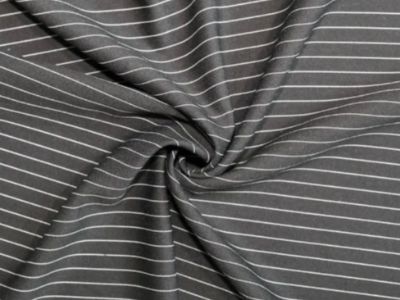
Trouser suiting fabric sourcing is a critical component for businesses in the fashion and apparel industry, particularly for purchasing managers and product developers. Selecting the right fabric involves understanding various specifications, assessing supplier reliability, and ensuring the product meets market demands. This article outlines key questions to ask your supplier, helping you make informed decisions that align with your quality and budget requirements.
What Key Specifications Should You Look for in Trouser Suiting Fabric?
When sourcing cotton fabric for trousers, several key specifications should be evaluated to ensure the material meets your needs. First, consider the fabric composition. Common materials include polyester, wool, and blends, each offering different qualities in terms of durability, comfort, and drape. For instance, wool provides excellent breathability and natural stretch, which is essential for comfort in tailored garments.
Next, examine the weight and thickness of the fabric. This affects the garment's appearance and functionality; heavier fabrics often convey a more structured look, while lighter weights are ideal for more relaxed styles. Additionally, pay attention to the fabric finish, such as brushed or plain weave, which influences both aesthetics and performance.
Lastly, check for shrinkage and colorfastness specifications. Fabrics that shrink or fade after washing can lead to significant quality control issues. Ensure that your supplier provides testing certifications that verify these attributes, as this can prevent costly mistakes during production.
Essential Buyer Questions
Before finalizing a supplier for trouser suiting fabric, it’s important to ask specific questions that will clarify their capabilities and the quality of their products. Here are some essential inquiries:
What are your minimum order quantities (MOQ)? Understanding the MOQ can help you plan your budget and inventory effectively.
Can you provide samples? Requesting samples allows you to evaluate the fabric's texture, weight, and overall quality before committing to a larger order.
What is your lead time for production? Knowing the time frame for production and delivery helps you align with your project timelines and avoid delays.
Do you have any certifications? Certifications related to sustainability, manufacturing practices, or fabric safety can enhance the credibility of your supplier.
What is your quality control process? Understanding how the supplier monitors and ensures the quality of their fabrics will give you confidence in their reliability.
Can you accommodate custom designs or specifications? If you require unique patterns or fabric blends, it’s crucial to confirm the supplier's ability to customize according to your needs.
How to Compare Trouser Suiting Fabrics for Your Wholesale Needs
Comparing formal trouser fabric requires a systematic approach. Begin by creating a comparison chart that lists key specifications for each fabric option, including material type, weight, finish, and price. This visual aid helps in making side-by-side comparisons easier.
Next, assess the performance characteristics of each option. For instance, if your target market is seeking durable and easy-care fabrics, prioritize options that are stain-resistant or have wrinkle-free properties.
Moreover, consider the cost implications of each fabric. While a lower-cost option may seem appealing, it’s essential to evaluate the long-term value. A fabric that retains its shape and appearance over time will likely result in higher customer satisfaction and fewer returns.
Lastly, take into account supplier reliability and customer service. A supplier that is responsive and transparent in their communication can significantly impact your sourcing experience.
Common Problems in Trouser Suiting Fabric Sourcing and Their Solutions
Sourcing trouser suiting fabric can come with challenges. Here are some common issues and their corresponding solutions:
Inconsistent Quality: This can arise from variations in production batches. To mitigate this, insist on a quality assurance agreement where the supplier commits to maintaining consistency in their manufacturing process.
Long Lead Times: Delays can occur due to various factors, including raw material sourcing and production delays. Building a buffer into your project timeline and discussing lead times upfront can help manage expectations.
Limited Customization Options: Some suppliers may have rigid product lines. Engaging with suppliers who specialize in custom fabrics can broaden your options and better meet your project's specific requirements.
Miscommunication: Language barriers or unclear specifications can lead to misunderstandings. Drafting a detailed fabric specification sheet and using visual aids can minimize confusion during the sourcing process.
Installation Guidance for Trouser Suiting Fabric in Commercial Projects
When incorporating pants fabric into commercial projects, several installation considerations must be addressed to ensure the final product meets quality standards. First, pre-wash the fabric if required, as this can help mitigate shrinkage issues post-production.
Next, ensure that your cutting and sewing teams are familiar with the specific characteristics of the fabric. Different materials may require unique handling techniques, such as specific needle sizes or thread types to prevent damage.
Also, maintain a controlled environment during the installation process. Factors such as humidity and temperature can affect fabric behavior, particularly with natural fibers like wool.
Finally, conduct a final inspection of the completed garments prior to distribution. Checking for defects in stitching, alignment, and overall appearance can help ensure that the final product aligns with your quality expectations.
By asking the right questions and thoroughly evaluating your options, you can effectively navigate the complexities of trouser suiting fabric sourcing. This structured approach not only aids in making informed purchasing decisions but also enhances the quality of the final products offered to your customers.
Table of Contents
- What Key Specifications Should You Look for in Trouser Suiting Fabric?
- Essential Buyer Questions
- How to Compare Trouser Suiting Fabrics for Your Wholesale Needs
- Common Problems in Trouser Suiting Fabric Sourcing and Their Solutions
- Installation Guidance for Trouser Suiting Fabric in Commercial Projects