
 EN
 AR
 NL
 FI
 FR
 DE
 IT
 JA
 KO
 NO
 PL
 PT
 RO
 RU
 ES
 SV
 ID
 VI
 ET
 HU
 MS
 TH
 LA

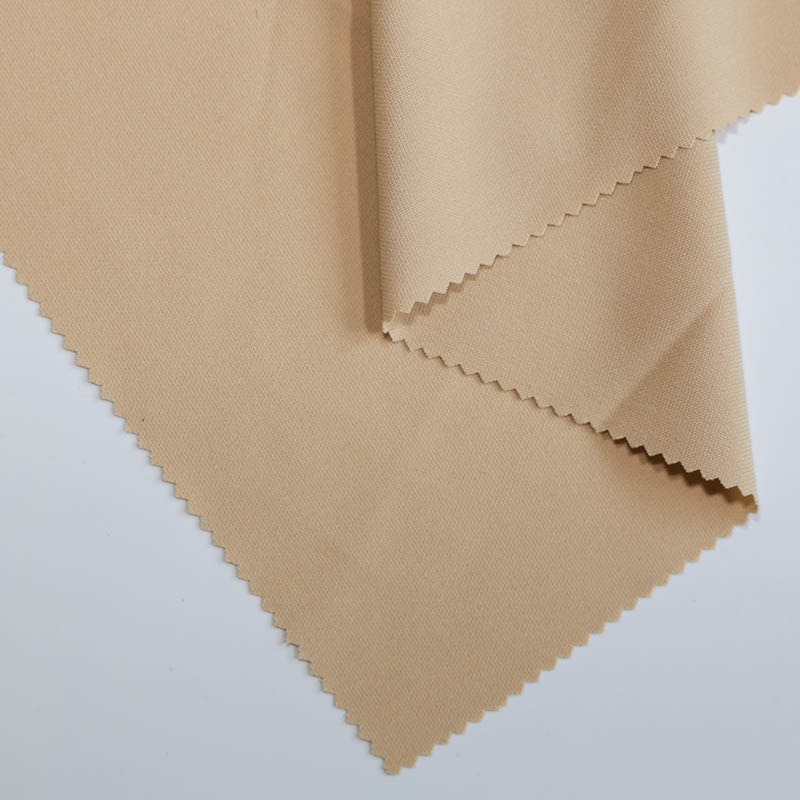
When considering a bulk purchase of blazer suiting fabric, evaluating quality is paramount. Blazer suiting fabric wholesale encompasses a variety of materials and specifications that can significantly affect the final product. For purchasing managers, distributors, and other B2B buyers, understanding how to assess the quality of these fabrics will help ensure that the final garments meet both aesthetic and functional requirements. This article will provide insights into evaluating fabric quality, selecting reliable suppliers, understanding wholesale expectations, addressing common purchasing issues, and installation guidance for blazer suiting fabrics.
Evaluating Blazer Suiting Fabric Quality for Bulk Purchases
When assessing the quality of blazer suiting fabric, several key factors should be considered. First, evaluate the fabric's composition, which typically includes blends of wool, polyester, or cotton. Each material offers distinct advantages; for instance, wool provides natural breathability and drape, while polyester can enhance durability and wrinkle resistance.
Next, pay attention to the fabric's weight and thickness, usually measured in grams per square meter (GSM). A heavier fabric generally indicates a higher quality, as it tends to be more durable and comfortable, especially for structured blazers. Additionally, examine the weave type common weaves for blazer fabric include twill and herringbone. These weaves not only affect appearance but also influence texture and durability.
Finally, inspect the fabric for consistency in color and texture. Any irregularities may indicate poor manufacturing processes. Requesting samples can allow buyers to assess these factors physically before committing to a bulk order.
How to Choose Reliable Suppliers for Blazer Suiting Fabric
Selecting a trustworthy supplier is crucial for ensuring consistent quality and supply chain reliability. Start by researching suppliers with a proven track record in the textile industry. Look for manufacturers with at least several years of experience, such as Wujiang Xinyang Textile, which has over 13 years of expertise in women’s clothing fabrics.
Review supplier certifications related to quality control and environmental standards, such as ISO certifications. These certifications can provide assurance of the supplier's commitment to maintaining high production standards.
Furthermore, evaluate the supplier’s production capabilities, including their capacity for customization and lead times. A supplier that offers rapid delivery, like the 24-hour delivery service provided by Wujiang Xinyang Textile, can help meet urgent project timelines. Establishing a clear communication channel and understanding the supplier's minimum order quantities (MOQs) can also facilitate smoother transactions.
What to Expect for Wholesale Blazer Fabrics
Wholesale purchases of blazer cloth material can vary significantly in terms of pricing, quality, and specifications. Buyers should expect volume discounts that decrease the cost per unit as the order size increases. However, it's vital to balance price with quality to avoid compromising the final product.
Additionally, familiarize yourself with the supplier's policies regarding returns and exchanges, as fabric quality issues can arise post-purchase. Inquire about sample policies; reputable suppliers will often provide swatches or samples to help buyers assess quality prior to making a large commitment.
Lastly, ensure that the chosen fabric meets the specific requirements of the intended application, such as breathability for warmer climates or added stretch for comfort. Understanding your target market can help tailor your fabric choices accordingly.
Common Problems in Blazer Fabric Purchases and Solutions
Several challenges can arise during the procurement of blazer suiting fabrics. One common issue is receiving materials that do not match the approved samples, leading to discrepancies in color, texture, or weight. To mitigate this risk, always approve a final sample before proceeding to mass production. This step will confirm that the fabric meets the specified criteria for dimensions, appearance, and performance.
Another problem can be related to delivery delays. Ensure that your supplier has a reliable logistics process and confirm lead times before placing an order. If a delay is anticipated, maintain open lines of communication with the supplier to inform stakeholders of potential impacts on production schedules.
Finally, buyers should be aware of the implications of fabric care and maintenance. Fabrics that require special care or are prone to shrinkage can complicate inventory management and increase costs. Discuss care instructions with your supplier to ensure they align with your customers’ expectations and usage scenarios.
Installation Guidance for Blazer Suiting Fabrics in Projects
When incorporating casual blazer fabric into projects, precise installation is essential to achieving the desired look and functionality. Prior to installation, review the fabric’s characteristics, such as its stretch, drape, and recommended sewing techniques. These factors will influence how the fabric behaves during the cutting and stitching process.
Implementing proper cutting techniques is crucial; ensure that the fabric is laid out flat to avoid distortion. Use sharp scissors or rotary cutters for clean edges, and consider using weights to keep the material in place.
Moreover, use compatible thread and needles that are appropriate for the fabric type. For instance, heavier fabrics may require thicker needles and stronger thread to withstand the stress of wear.
Finally, always conduct a test on a small fabric piece to adjust sewing tension and settings before proceeding with the full project. This practice will help ensure that the final product meets quality standards and performs well during use.
By following these guidelines, B2B buyers can make informed decisions when purchasing blazer suiting fabric wholesale, ensuring the quality and reliability of their final products.