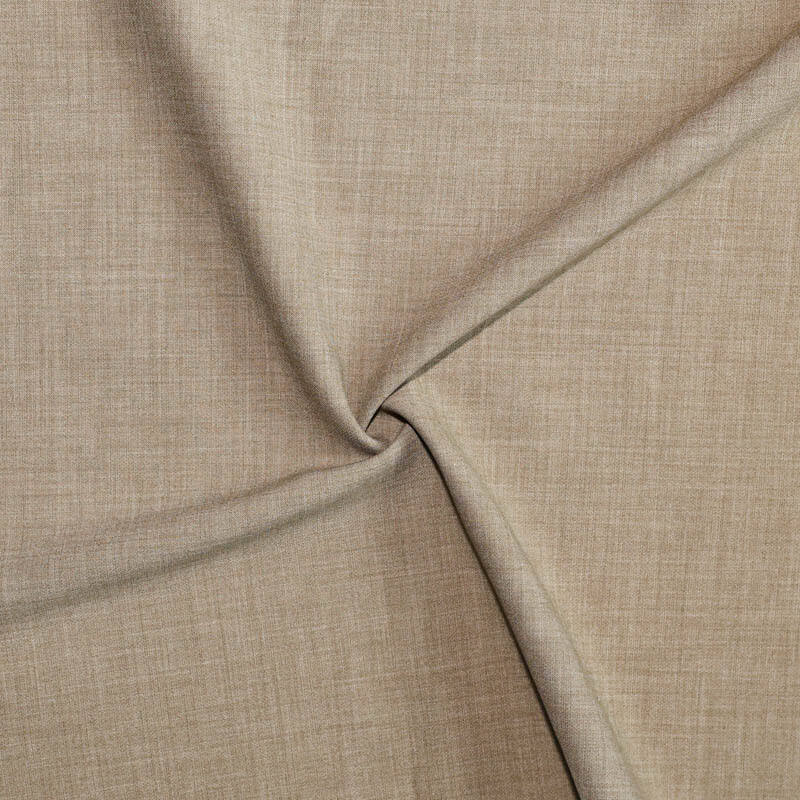
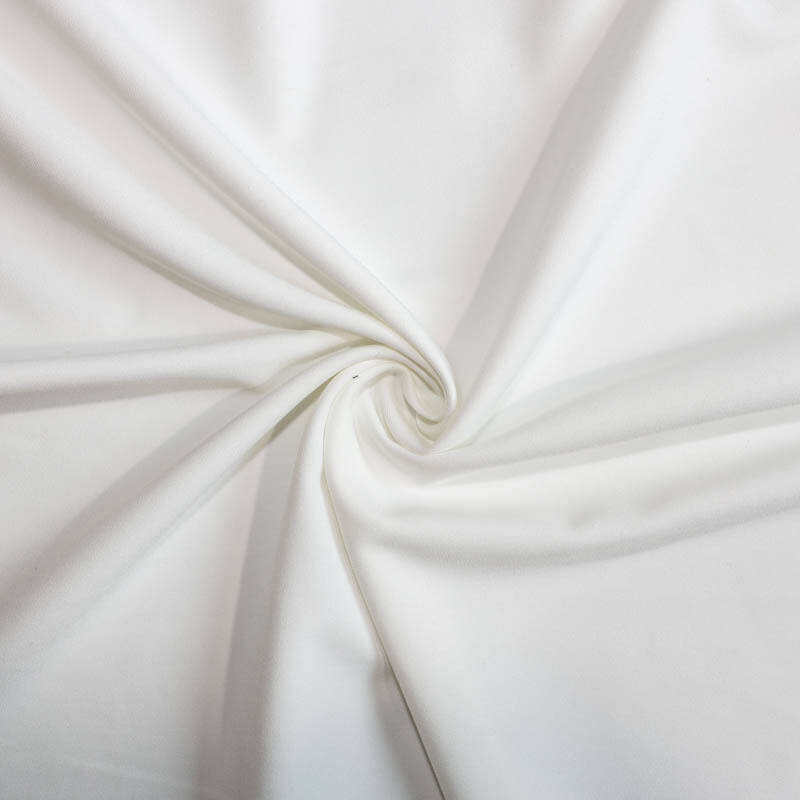
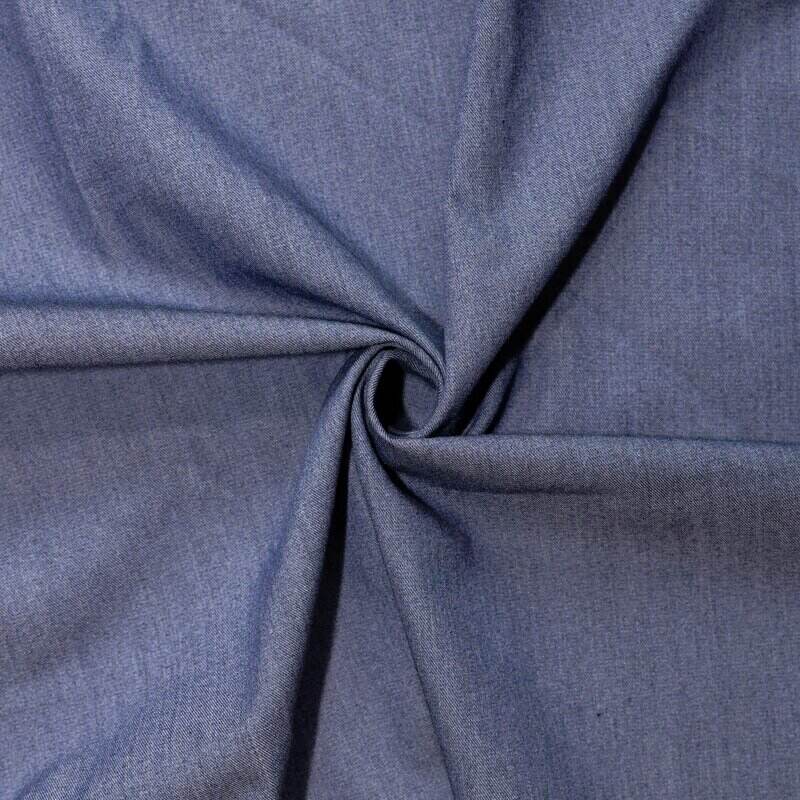
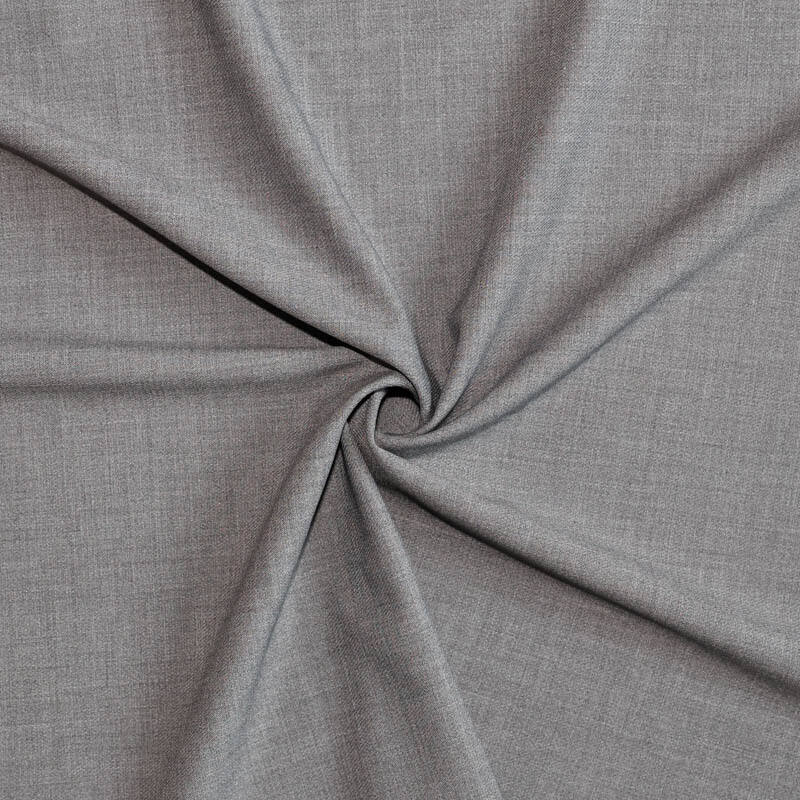
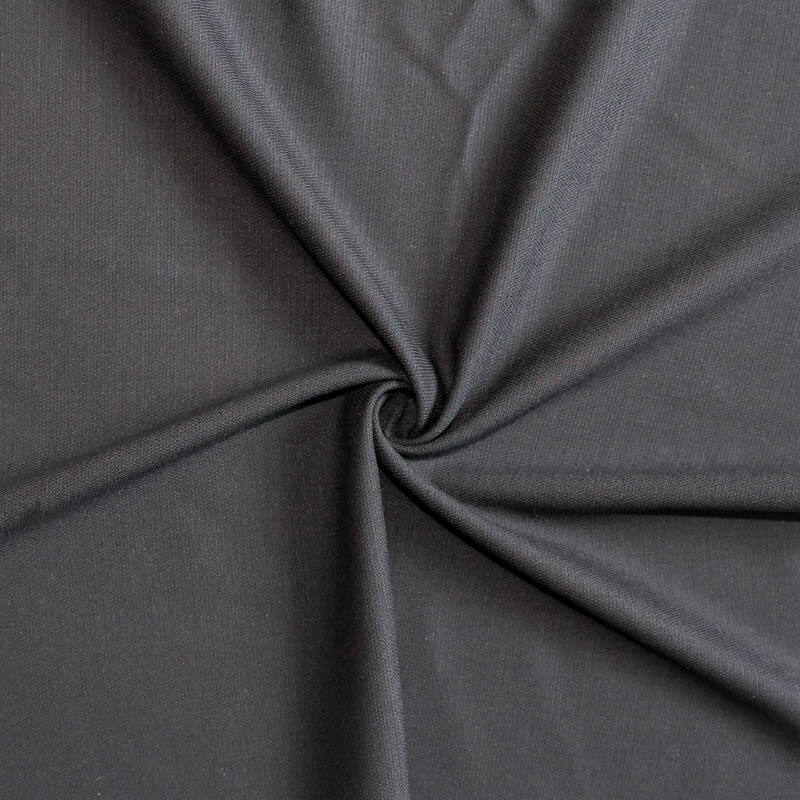
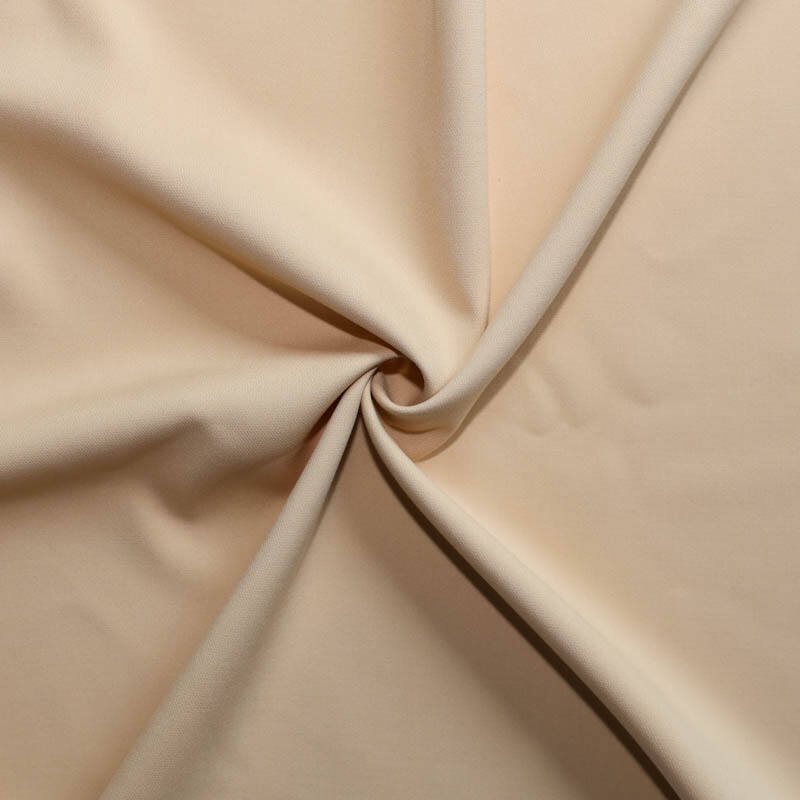
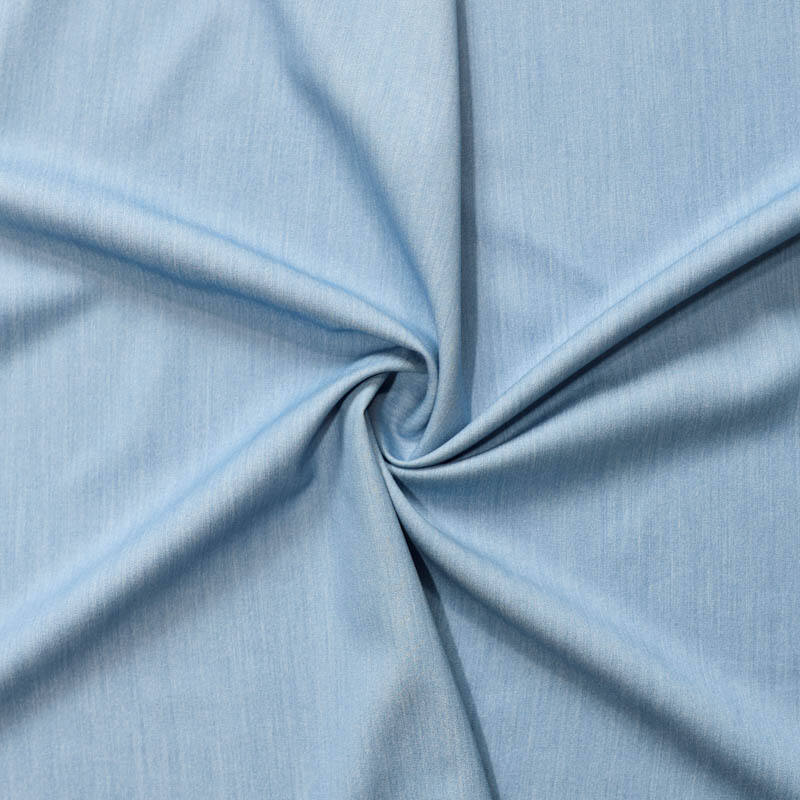
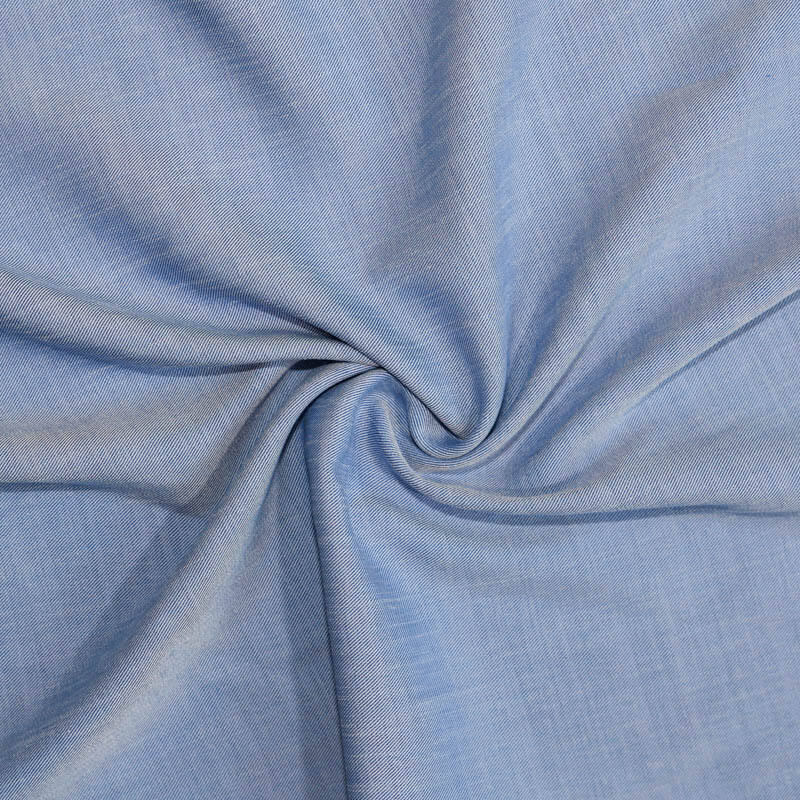
Textilis sartoria unum ex principali bus textilium artis sartoriae est. Itaque, cum tuas ipse formas effingis, textilis profecto effectum habebit in eventum. Sunt varia genera materiae, inter quae lintea, serica et poliester. Unumquodque textilis alium tactum, aspectum et usum habebit. Exempli gratia, lintea mollis est et apta pro usu cotidiano, dum serica splendida est et perfecta pro vestibus splendidis. De textilibus discere tibi permittit sapientiores electiones facere, cum consuas. Xinyang est mirabilandium in mundo textilium sartoriorum. NOBIS MULTAS TEXTILIORUM GENERA SUPPEDITAMUS, OMNIBUS TUIS NECESSITATIBUS CONSUENDI SATISFACTURAS. Electio recti textilis tam importans est, quoniam speciem et tactum producti finalis mutabit.
Difficile est invenire textilis bonae qualitatis, sed sunt loca ubi emere potes ad minores pretios. Unus ex optimis modis est pernavigare in retio. Quedam vicia vendunt textilia in massa, quod fortasse iuvat paucos nummos conservare. Invenire potes omnia a lino usque ad sericum apud eos. Quasi eligeres textilia in horreum plenum magnis rotulis, domo relicta! Et officinae textiles locales sunt alia bona facultas exploranda. Et interdum habent peculiares venditiones aut dispendia cum emis in massa. Non nocet habere bonam necessitudinem cum dominum officinae. Interroga eos num possint tibi dispendium dare pro maioribus ordinibus. Denique, non praeterire debeas ostenta aut fora textilium. Haec eventus plerumque habent plures mercatores et interdum praebent tibi pretios ad grossum. Itaque, inspicere et tangere potes textilium antequam emas, quod est magna utilitas! Est etiam Xinyang quod offert venditionem ad grossum textilium bonae qualitatis. Si consues vestes pro opere in schola vel ad vendendum, emere vestimenta ad grossum potest esse optima ratio nummos conservandi. Sed cave ne obliviscaris qualitatem inspicere, si forte. Quaere de factoribus ut quam mollis sentias, qualis videatur, et sintne aliquae imperfectiones. Textilium elegans magnum efficit negotium quantum ad aspectum vestium perfectarum.
Cum novus es in opere cum stoffa sartoria, est auxilium in fodro tuo. Sed primum quidem, semper praelava stoffam antequam eam seces et consuas. Hoc iuvabit ad lavandum excessum chimicorum, et etiam materiae contrahendendae ut vestimenta post primam lavationem melius aptentur. Est tantum facile gradus et re vera facit differentiam! Deinde, selige aciem et filum aptum pro tua stoffa. Exempli gratia, si operaberis cum serico molli, tibi necesse erit acus tenuis ne corrumpatur. Instrumenta recta vitam tuam faciunt faciliorem. Ne festina cum stoffa secanda. Simpliciter secandrum est schema cum forfice acuto et bis metire antequam semel secare! Hoc tibi potest iuvare ut errorem vitet. (Iterum, ne oblitus sis figere cum consuendo). Hoc omnia in ordine tenet et suturam facilius consuendam reddit. Denique, exercitatio non est hostis! Melior fies quo plus consues. Experimentare cum parvis proiectis antequam aliquid magnum aggrediaris. Si desideravisti materiam ad exerceandum et formam meliorem faciendum, Xinyang habet omnia tibi necessaria. Si marginis comburis et obtines suturam variegatam, hoc bene est! Memento quod consuere est iter, et unumquodque vestimentum quod facis te aliquid docebit. Et praesertim, gaude eo et fac ipsum tuum!
Quod ad vestimenta attinet, natura ipsa generis vestium quae emuntur valde significans est cum textilia deliguntur. Saepe sarti textilia eligunt quae sunt pulchra et bene corpori adsidentia. Alba, serica, poliestera et lina sunt quaedam ex praecipuis textilibus sartoriae. Alba est textilis popularis quia mollis est, spirare permittit et facile lavatur. Multi homines amant albis vestimentis aestate uti, quia te frigidum facit. Etiam serica eligere potes, praesertim ad casus speciales sicut nuptias. Lucidum aspiciem habet et tactu lenis est in cute. Tamen sericum aliquando carius esse potest et curam specialem postulat dum lavatur.
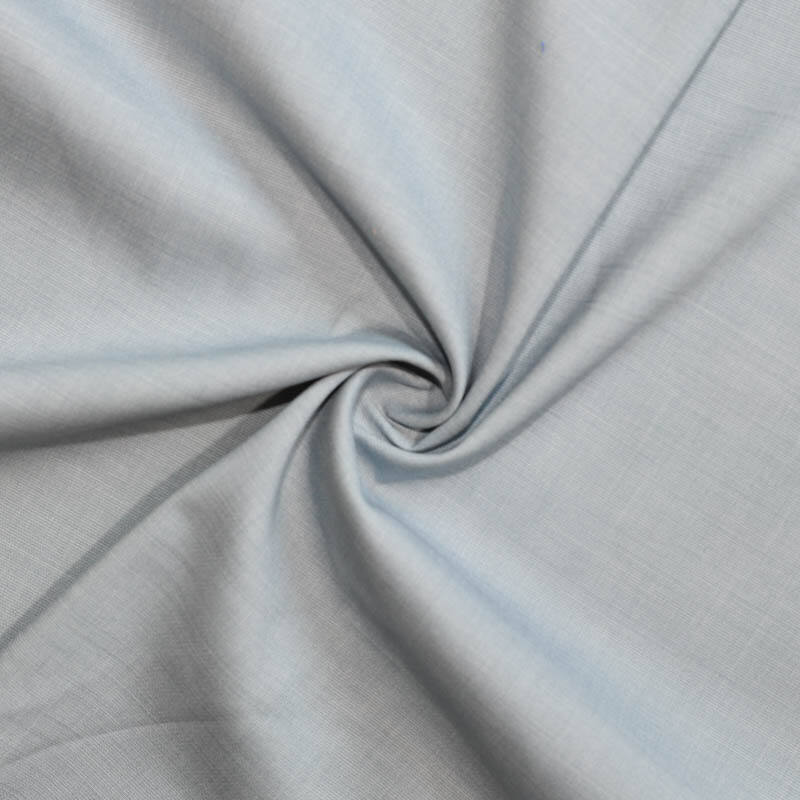
Communis ex anno 1960, poliester est textilis factitius notus propter robur et ducatum. Quia textilis facile non rugatur et in machina lavari potest, saepe adhibetur ad vestimenta cotidiana. Fabricatores amant cum poliester operari ad vestes, tunicas et bracas quia omnes colores et figuras habet. Linum – est textilis naturalis e planta lini productus. Voila! Leve et aëreum est, quod valde aptum est ad faciendum vestium aestivarum. Ex altera parte, linum facile rugatur, ideo aliqui homines malunt uti eo ad indumenta casuales.
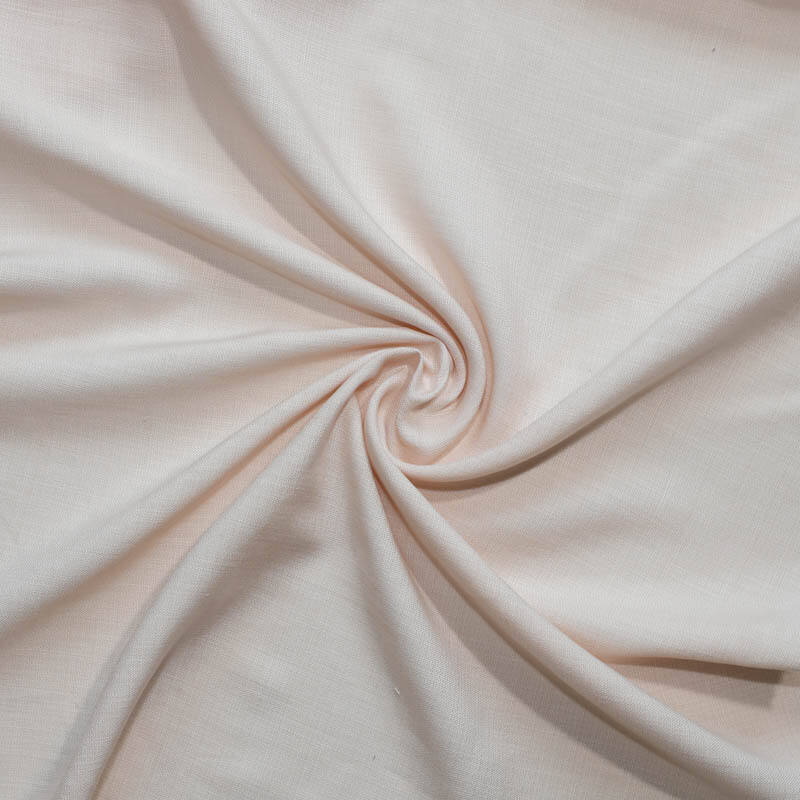
Quamquam concipitur conscientia environmentalis, designeres plus cupiunt uti pannis amicis ad environmentum pro vestibus suis. Panni vestiendi ethici ex materiae compositi sunt quae planetam non ledunt. Hae materiae consistere possunt in gossypio organico, bambu, vel etiam in materiae recuperatae. Gossypium organicum nullis chimicis noxiis utitur, ita tutius est tam agricolis quam environmento. Bambus alia optio bona est, quod cito crescit nec multum aquae requirit. Etiam in pannum mollem confieri potest, qui gratus est tactui induti.
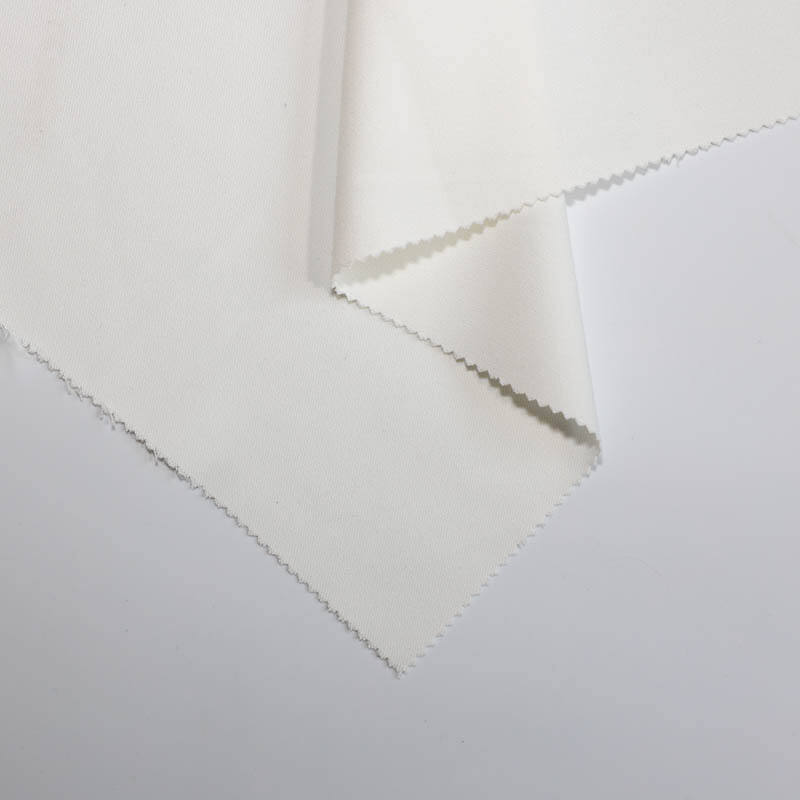
Alius consilium est quaerere textilia quae ex post-consumer desideriis recuperata sunt. Aliqua eorum ex vetustis recuperatis plasticeis aut reliquiis textilibus fiunt, verbi gratia. Hoc refutum a refutarii cursu aversatur et novam vitam materialibus infundit quae alioquin abjecta fuissent. Data optione pro materialibus sustinendis, planetam iuvare et vestimenta amabilia in mundum mittere potes, cum homines vestimenta tua indui possint. Plures designatores iam huiusmodi options ecologicas quaerunt, et modus magis rationabilis et curatus efficitur.
Supra 13 annos exclusive in textilibus femineis operam dantes, nostra aequipe R&D mensuris innovationes proponit, artem industriae profundam cum perpetua novatione iungentes ad evolvendas conditiones modae et functionum satisfaciendum.
Cum imperio completo super tota catena supply—from fila prima usque ad textilia perfecta—et systemate severum inspectionis qualitatis quater factae implementantes, qualitatem praestinam, constantiam et tempora certa solutionis servamus.
Gestantes plus quam 300 telaia novissima (hydraulica et pneumatica), technologiam modernam cum arte perita coniungimus ut productionem massalem textilium de alta qualitate efficere possimus, una cum pleno servitio a designando usque ad logistica tractanda.
Amplius quam 100 varietates textilium in stoco habentes (60% disponibilitas), permittimus mittere intra 24 horas pro petitionibus ex stoco et efficeimur terminum 20-dierum pro figuratis, tam magnis quam parvis clientibus globalibus celeritate et flexibilitate subveniendi.

Wujiang Xinyang Textile Co., Ltd.
Copyright © Wujiang Xinyang Textile Co., Ltd. Omnes reservatae - Blog-Politia Privata
 EN
EN
 AR
AR
 NL
NL
 FI
FI
 FR
FR
 DE
DE
 IT
IT
 JA
JA
 KO
KO
 NO
NO
 PL
PL
 PT
PT
 RO
RO
 RU
RU
 ES
ES
 SV
SV
 ID
ID
 VI
VI
 ET
ET
 HU
HU
 MS
MS
 TH
TH
 LA
LA